Tone & surface
Discuss the depth of colour, visible creasing and aged effect that best express the collection’s direction.
Vintage character developed through leather, finish and a carefully reviewed physical sample.
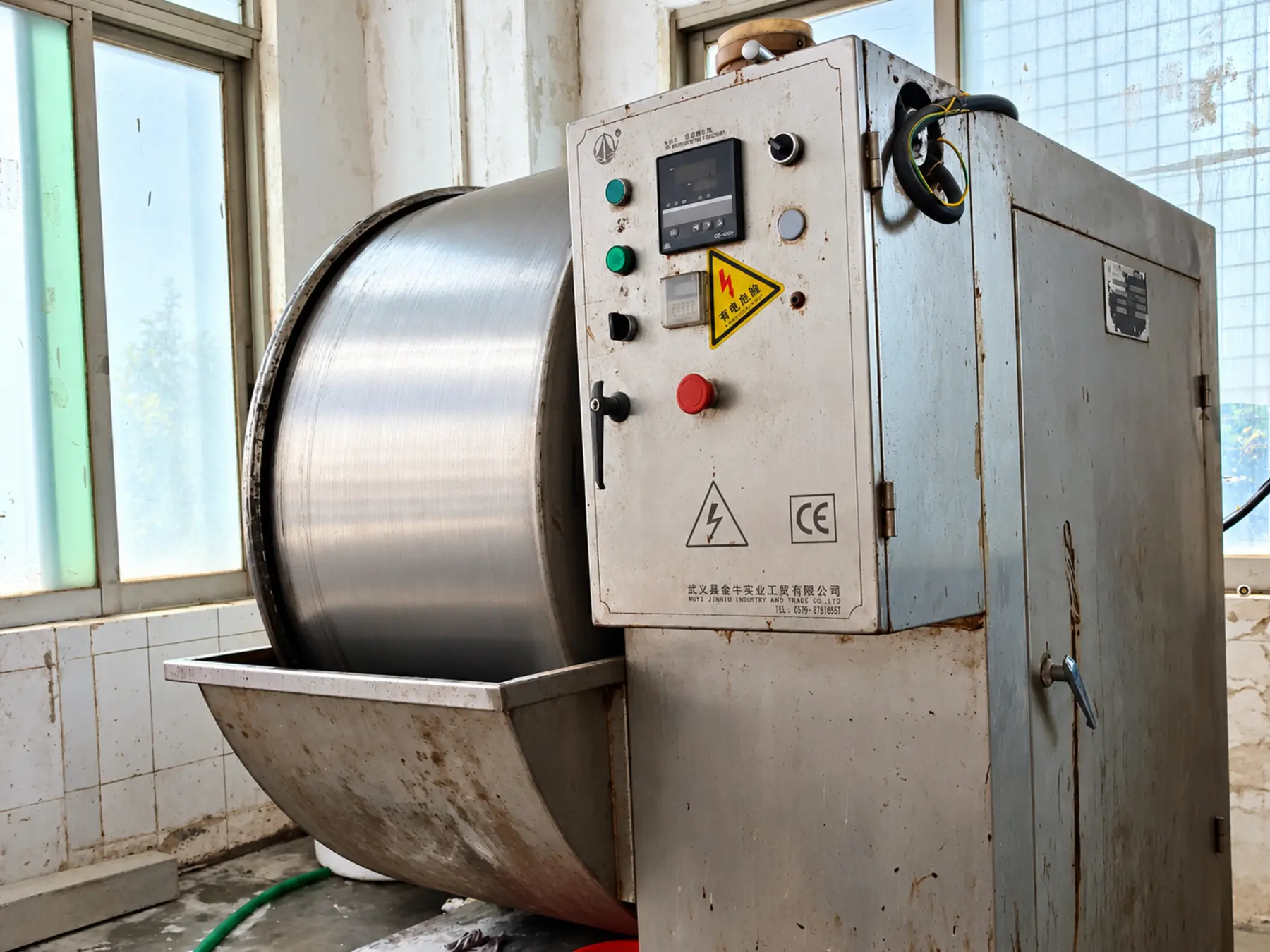
Heavy washing is part of Qineng’s approach to vintage leather footwear. It is used to explore a softer hand feel and a lived-in appearance, with creasing and tonal depth that work with the shoe’s silhouette.
The result is developed for the chosen leather and design. A physical sample sets the direction for colour, surface character, feel and the acceptable range of variation.
Discuss the depth of colour, visible creasing and aged effect that best express the collection’s direction.
Evaluate the hand feel together with fit, lining and sole flex on the finished sample.
Use an approved sample to agree the intended character and acceptable colour and texture variation.
Share finish references, preferred shades and the overall character of the collection.
Discuss the chosen leather, construction and components before agreeing a sampling route.
Review colour, creasing, hand feel and shape together, then document the changes needed.
Confirm the retained sample, acceptable variation, care guidance and packing requirements.
Goodyear describes a construction direction; heavy washing concerns leather character and finishing. Discuss both together when the design needs a particular combination of build and appearance.
The result depends on the selected leather, its finish and the footwear design. Confirm suitability and the intended effect through sampling.
Leather and a washed finish can show variation. Agree the intended character and acceptable colour and texture range against an approved sample.
A production finish is not a machine-wash care instruction. Follow the care guidance agreed for the selected leather and complete shoe.
Footwear orders start from 100 pairs. Style, colour and size allocation, sample costs and production timing are confirmed with the quotation.
Share a reference, target market, size range and planned quantity. We’ll discuss the next sampling decisions.